

Happiness at work is something you can actively cultivate, even in an imperfect job, through small shifts in mindset, environment, and daily habits. Research in positive psychology shows that changing your inner narrative, building colleague relationships, and establishing meaningful rituals move the needle. Identifying what you can control helps you build strategies that genuinely shift how you experience work.
- Small shifts in mindset and habits make difference
- Focus on what you can actually control
- Build good habits through tiny repeatable changes
- Create comfortable workspace with books and calm elements
- Positive psychology research backing workplace joy
You spend roughly a third of your life at work. That's thousands of hours sitting at a desk, answering emails, attending meetings, and navigating office dynamics — and if none of it brings you any satisfaction, those hours can start to feel like a slow drain on your energy and mood. You're not alone if you wake up on Monday morning already counting the days to Friday.
But here's the thing: happiness at work isn't some distant fantasy reserved for people who "found their passion." It's something you can actively cultivate, even in an imperfect job. Research in positive psychology consistently shows that small shifts in mindset, environment, and habits can make a meaningful difference in how you feel from nine to five. The right book on your nightstand, a calming corner on your desk, a new perspective on what "good work" looks like — it all adds up.
This guide brings together the best books on workplace happiness and a few clever desk additions that quietly improve your mood every single day. Whether you want a deep dive into the science of joy or you just want something soothing on your desk to make Monday feel a little less bleak — you'll find it here. Let's start with a quick overview of everything we're covering.
Quick overview: the best tools for happiness at work
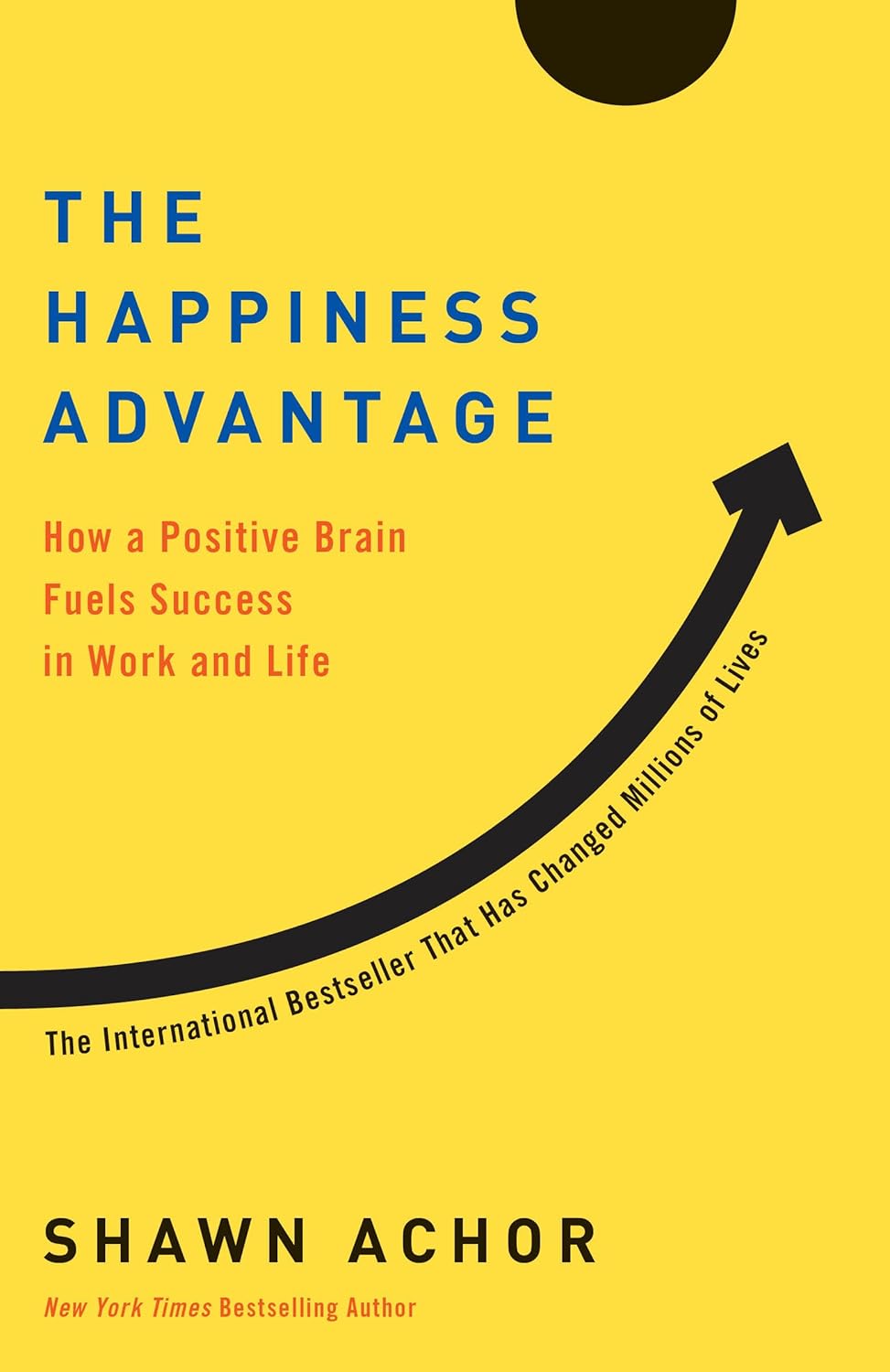
The Happiness Advantage
Shawn Achor's widely praised classic on how happiness fuels success, performance, and resilience at work.
View price →
Atomic Habits
James Clear's popular guide to building good habits and breaking bad ones through tiny, repeatable changes.
View price →
The Little Book of Hygge
Meik Wiking's warm introduction to the Danish art of coziness and how small comforts improve daily life.
View price →
Mindset
Carol Dweck's influential book on how a growth mindset transforms the way you approach challenges and feedback.
View price →
Meditations
A beloved Stoic classic with timeless lessons on staying grounded and finding meaning in difficult circumstances.
View price →
Homedics Tabletop Water Fountain
A compact desktop fountain that brings the soothing sight and sound of flowing water to your workspace.
View price →
Nearly Natural Artificial Bonsai Tree
A realistic faux bonsai that adds zen, grounding energy to any office or home desk with zero upkeep.
View price →
Verilux HappyLight Therapy Lamp
A full-spectrum desk lamp that mimics daylight to boost energy, focus, and mood while you work.
View price →1. The Happiness Advantage — the handbook you didn't know you needed
The Happiness Advantage by Shawn Achor
A widely praised, practical guide to how happiness fuels success — not the other way around — backed by research and written for real people with real work challenges.
View price →If you could only pick one resource to improve your happiness at work, this book would be it. The Happiness Advantage takes a refreshingly practical approach: it doesn't promise that you'll fall in love with every aspect of your job. Instead, it shows you how positive psychology can fuel better performance, stronger resilience, and a more sustainable experience of work — even in imperfect environments.
The book draws on Achor's years of research to explore why some people thrive in challenging work environments while others burn out. Spoiler: it has a lot less to do with the job itself than you might think. Your inner narrative, your relationships with colleagues, the small rituals you build into your day — these are the happiness at work tips that actually move the needle. The book gives you concrete tools to work on each of them.
What readers particularly appreciate is that the author doesn't sugarcoat things. Bad managers exist. Frustrating projects happen. Office politics are real. But The Happiness Advantage helps you identify what you can actually control and build strategies around those things. It's the kind of book you'll want to highlight and return to during particularly tough work periods.
At around $15 it's one of the more substantial investments in this list, but for a book that can genuinely shift how you experience 40-hour weeks — it's well worth it. Pair it with a quiet morning coffee ritual before your workday begins and let the insights settle in over time.
- Grounded in positive psychology research
- Practical tools, not just motivational fluff
- Works for any job, any industry
- Honest about the limits of what you can change
- Requires time and willingness to self-reflect
- Not a quick fix for systemic workplace issues
2. Atomic Habits — small changes, remarkable results at work
Atomic Habits by James Clear
A popular, widely praised guide to building good habits and breaking bad ones through tiny, repeatable changes that compound into remarkable results — at work and beyond.
View price →James Clear's Atomic Habits has become a modern classic for good reason. It approaches personal change from a systems perspective: instead of focusing on goals, Clear shows you how to build better habits, break unhelpful ones, and design an environment that makes good choices automatic. In a work context, this translates to showing up more focused, procrastinating less, and making steady progress without relying on willpower alone.
The core idea is surprisingly simple: get 1% better every day. That tiny improvement compounds over time into results that look like overnight success from the outside. Clear breaks down the habit loop — cue, craving, response, reward — and gives you practical frameworks to hack each stage. Whether you want to start your mornings with a priority task, stop checking email every five minutes, or build a consistent end-of-day review, the strategies here are immediately usable.
What makes this book especially valuable for workplace happiness is that it reduces friction. Work feels better when you're not constantly fighting yourself. By automating the behaviors that matter and removing the triggers that derail you, you free up mental energy for creative, meaningful work. At around $15, it's a small investment in a system that pays dividends for years.
If you want to understand the mechanics of how behavior change actually works — not just in theory, but in the messy reality of daily office life — Atomic Habits delivers. Pair it with one small environmental tweak from the desk items below and watch the two reinforce each other.
- Extremely practical and immediately actionable
- Based on behavioral science research
- Quick to read, easy to revisit
- Applies to work, health, and personal life
- Requires consistent application to see results
- Some concepts are repeated throughout for emphasis
3. The Little Book of Hygge — work-life wisdom from the happiest countries on earth
The Little Book of Hygge by Meik Wiking
The Danish secret to cozy, comfortable living — and how small moments of warmth and togetherness can transform your everyday experience of work and home.
View price →Denmark consistently tops the World Happiness Report, and a big part of that success comes down to hygge — the Danish art of creating warmth, connection, and comfort in everyday life. Meik Wiking, CEO of the Happiness Research Institute in Copenhagen, distills this cultural secret into a compact, charming guide that shows you how to invite more contentment into your daily routine, including the hours you spend working.
The Little Book of Hygge introduces readers to the essentials: candlelight, warm drinks, comfortable textures, and the slow pleasure of being present. While it may sound like a lifestyle trend, the principles translate beautifully to work life. A softly lit desk on a dark morning, a proper mug for your coffee instead of a paper cup, a few minutes of genuine conversation with a colleague — these are the small sensory and social upgrades that make work feel less like a slog and more like a place you actually inhabit.
One of the standout happiness at work tips from this guide is the Nordic attitude toward atmosphere. In Denmark, the quality of your surroundings isn't seen as indulgence — it's seen as a foundation for well-being. Creating a cozy, personal workspace, taking a proper lunch break, and marking transitions in your day with small rituals are all forms of hygge that help insulate you from burnout.
If you're someone who tends to tie your self-worth to productivity, this book will gently challenge that pattern and offer a warmer, more sustainable way to think about work and life. It's also a lovely read — warm, light, and full of practical ideas you can implement right away. Learning to set healthy boundaries at work is one of the first steps, and this book gives you the cultural permission to feel confident doing it.
- Warm, accessible writing style
- Introduces powerful cultural frameworks in a practical way
- Challenges hustle culture without preaching
- Great price point at around $15
- Some concepts may feel aspirational if your workplace culture is very different
- More lifestyle and atmosphere focused than deeply scientific
4. Mindset — stop waiting and start growing today
Mindset by Carol S. Dweck
A widely praised, influential book on how a growth mindset — the belief that abilities can be developed — transforms the way you approach challenges, feedback, and success at work.
View price →How often do you catch yourself thinking, "I'm just not good at presentations," or "I'll never figure out this new software"? That mental pattern — the belief that your abilities are fixed — is one of the most common traps that makes work feel joyless and threatening. Mindset tackles this head-on with a simple but transformative message: your basic qualities are things you can cultivate through effort and strategy.
At around $12, this is one of those rare reads that can genuinely rewire how you respond to workplace stress. Dweck, a Stanford psychologist, draws on decades of research to show how a growth mindset turns failure into information, feedback into fuel, and challenges into opportunities. You don't need a dream job. You need a different relationship with learning and difficulty.
Some of the most useful happiness at work tips in this book center around reframing. A tough project becomes a chance to build skills. A critical colleague becomes a source of useful data. A mistake becomes a step forward rather than proof of inadequacy. These ideas echo cognitive-behavioral practices, and if you want to explore that connection further, pairing this read with a natural approach to boosting your mood can amplify the effect considerably.
This is a good book to keep at your desk or in your bag for those moments when work frustration spikes. A few pages in the middle of the day can genuinely reset your perspective and help you get back to what matters.
- Around $12 — very accessible
- Short enough to read in a few sittings
- Challenges the "fixed ability" mindset effectively
- Applicable to both work and personal life
- Some examples are drawn from sports and parenting as well as work
- Core concept can be summarized quickly; the rest is illustration
5. Meditations — ancient wisdom for modern work stress
Meditations by Marcus Aurelius
A beloved classic of Stoic philosophy — personal writings from a Roman emperor on how to endure difficulty with grace, focus on what you control, and build a life of steady purpose.
View price →Stoicism has had a major comeback in recent years, and it's not hard to see why. In a time of constant notifications, impossible deadlines, and shifting job markets, the Stoic practice of focusing on what you can control — and letting go of what you can't — is one of the most grounding approaches to work stress imaginable. Marcus Aurelius, writing nearly 2,000 years ago in his private journals, addressed challenges that feel remarkably familiar: difficult colleagues, the pressure of status and ambition, the fear of failure, and the question of how to remain inwardly free while meeting external demands.
This edition of Meditations is a compact, accessible volume — the kind of book that feels good to hold and looks great on a desk. The entries are short, direct, and intended for no eyes but Aurelius's own, which gives them an honesty and intimacy that still resonates. You don't need a philosophy degree to read it. The emperor writes with humility and urgency about the daily work of living well.
For happiness at work, the most relevant lessons are about detachment from outcomes, the value of present-moment engagement, and the importance of contributing to something larger than your own advancement. Aurelius was particularly sharp on the way external praise and criticism can disturb your peace if you let them — a daily challenge in today's feedback-heavy workplaces. Reading even a few passages before work can recalibrate your priorities in a way that no productivity app can.
If you're drawn to more philosophical approaches to well-being, this pairs beautifully with The Little Book of Hygge and with practices like mindful breathing or journaling. It's a book to read slowly, over months, returning to it whenever work stress starts to feel overwhelming.
- Timeless wisdom with striking modern relevance
- Compact and easy to keep on a desk
- Excellent for managing work stress and ambition
- Encourages long-term, sustainable perspective
- Dense — requires slow, focused reading
- More philosophical than immediately tactical
6. Homedics Tabletop Water Fountain — instant calm on your desk
Homedics Tabletop Water Fountain
A compact, popular desktop fountain that adds the soothing sound of flowing water to your workspace — a simple way to lower stress and create a calmer environment.
View price →Research consistently shows that exposure to water — even the sight and sound of it — can reduce cortisol levels and improve mood. That's why fountains, streams, and rainfall are so commonly used in relaxation apps and spa environments. This compact tabletop fountain from Homedics brings that principle right to your desk in a stylish, low-maintenance form.
The gentle cascade of water creates a soft, consistent white noise that helps mask distracting office sounds — chatter, keyboard clatter, notification pings. Having something visually soothing in your field of vision during work hours acts as a gentle anchor when stress builds up and your brain needs a quick reset. Simply watching the water cycle through the basin for 30 seconds can lower your heart rate and restore a bit of perspective.
The design is minimal and modern, fitting both home offices and corporate desks without looking out of place. Setup takes only a few minutes: add water, plug it in, and let it run. Maintenance is limited to occasional refilling and cleaning. It's the kind of desk addition that makes you exhale every time you look at it — which, over the course of a long workweek, adds up to something genuinely worth having.
- Beautiful, calming desk piece
- Sound of water reduces stress and masks noise
- Minimal maintenance
- Compact and fits most desk sizes
- Requires access to an outlet
- Needs occasional cleaning to prevent buildup
7. Nearly Natural Artificial Bonsai Tree — zen energy, zero maintenance
Nearly Natural Artificial Bonsai Tree
A highly realistic faux bonsai in a decorative pot — perfect for bringing calm, grounding energy to your office desk without any watering or maintenance required.
View price →There's something deeply calming about a bonsai. The sculpted shape, the miniature scale, the sense of patience and care it represents — it's no accident that bonsai trees have been central to Zen spaces for centuries. Having one on your desk brings a quiet, grounding presence to your work environment that you notice most on the most stressful days.
This artificial version from Nearly Natural is surprisingly convincing. Modern faux plants have come a long way, and the texture and color of the foliage here look genuinely realistic up close. The included decorative pot adds an elegant, minimal touch that works beautifully against both light and dark desk surfaces. And because it's artificial, you don't need to worry about watering schedules, sunlight requirements, or the plant slowly dying because your office has no windows.
Workspace aesthetics matter more than we often acknowledge. Multiple studies have found that workers in visually pleasant, personalized spaces report higher job satisfaction and produce better work than those in sterile, bare environments. Adding a bonsai is a small but effective way to signal to your brain that this is a calm, intentional space — one worth being present in.
If your desk tends to look like a disaster zone by mid-week, a beautiful centerpiece like this also encourages you to keep the space tidier. That's another quiet win for your mood. At around $40 it's a moderate investment in the decor section, but as a one-time purchase that requires no upkeep, it's excellent value over time.
- Zero maintenance — never needs watering
- Highly realistic appearance
- Instantly elevates desk aesthetics
- Creates a calm, grounding visual anchor
- Higher price point compared to live alternatives
- Won't improve air quality like a real plant
8. Verilux HappyLight Therapy Lamp — bright, fresh, and effortlessly energizing
Verilux HappyLight Therapy Lamp
A popular full-spectrum desk lamp that mimics natural daylight to boost energy, focus, and mood — especially helpful in offices with little sunlight.
View price →Natural light is one of the strongest regulators of mood, energy, and focus — but many offices and home workstations suffer from dim, fluorescent, or windowless environments. The Verilux HappyLight is a widely praised therapy lamp that delivers a bright, full-spectrum dose of simulated daylight to help keep your circadian rhythm and energy levels steady throughout the workday.
At roughly the size of a small tablet, it's compact enough to sit at the edge of a desk without dominating your workspace. Turn it on for 20 to 30 minutes in the morning or during an afternoon slump, and many users report feeling more alert, less groggy, and better able to concentrate. The clean, modern design looks intentional and professional rather than clinical.
The psychological benefit of bright light exposure is well-documented. Even if you don't experience seasonal mood changes, working under poor lighting can slowly drain your mental stamina without you realizing it. Adding a HappyLight to your setup is a simple way to make your space feel more open, awake, and supportive — a small environmental upgrade with outsized returns.
If you work from home and want to create a workspace that actually supports your mood, this lamp is a practical addition. Pair it with the bonsai tree from the previous section and you'll have a desk that genuinely makes you want to sit down at it in the morning.
Place your HappyLight or bonsai directly in your eyeline — not pushed to the side where you have to turn to see it. Your eyes naturally wander during mental breaks, and having something calming right in front of you means every micro-pause becomes a small moment of restoration.
- Compact and desk-friendly
- No maintenance whatsoever
- Full-spectrum light supports energy and focus
- Ideal for dim or windowless offices
- Requires access to an outlet
- On the pricier side for a desk accessory
How to choose what will actually make you happier at work — a practical guide
With so many approaches to workplace happiness available, it helps to get honest about what's actually driving your unhappiness at work before you invest in solutions. Are you struggling with motivation and purpose? Start with the books — particularly The Happiness Advantage or Atomic Habits. These will help you shift your mindset and build new habits from the inside out.
If your issue is more environmental — a stressful, dull, or uninspiring physical workspace — then the desk additions (the Homedics fountain, Nearly Natural bonsai, or Verilux HappyLight) are worth prioritizing. You'd be surprised how much your surroundings influence your mood on a subconscious level. A few investments in your workspace can change how you feel about sitting down to work every morning.
If you're in a tough spot professionally — dealing with a difficult manager, feeling undervalued, or questioning whether you're in the right career altogether — then the philosophical reads (Meditations, The Little Book of Hygge) may offer the most grounding perspective. They won't solve structural problems, but they give you mental tools to navigate hard circumstances with more grace and less suffering.
A few practical happiness at work tips that complement everything in this list:
- Start your workday with one thing you're looking forward to — even something small, like a good coffee or an interesting task. It primes your brain for positivity rather than dread.
- Protect your breaks — actually step away from your screen at lunch. Eat slowly. Walk if you can. Your afternoon self will thank you.
- Build micro-connections — a brief friendly exchange with a colleague, even just about the weekend, measurably boosts mood and sense of belonging.
- End your day with a small ritual — close your laptop, write down one thing you accomplished, and mentally "clock out." This helps your brain separate work time from rest time.
Before buying anything from this list, ask yourself: "Is my unhappiness at work coming from inside (mindset, habits, perspective) or outside (environment, relationships, structure)?" The answer tells you whether to reach for a book or a desk upgrade first.
Also consider combining approaches. A book like Atomic Habits read over a few weeks, alongside a nicer desk space and one or two new daily routines, creates a reinforcing effect that's more powerful than any single change on its own.
Frequently asked questions about happiness at work
Can you actually be happy at a job you don't love?
Yes — and this is one of the most important happiness at work tips backed by research. Happiness at work doesn't require passion for your job. It requires finding meaning, connection, and a sense of progress within your work. Even in a role that isn't your dream job, you can cultivate autonomy in how you do your tasks, invest in relationships with colleagues, and find small wins to celebrate. These factors predict job satisfaction far more reliably than how exciting your job title sounds.
How long does it take to feel happier at work?
Small changes can shift your mood within days — particularly environmental ones like improving your workspace or building a morning ritual. Mindset shifts, the kind you build through reading and reflection, tend to take a few weeks of consistent practice before they feel natural. Most people who commit to one or two concrete changes (like protecting their lunch break or starting a gratitude habit) notice a real difference within two to four weeks. Don't expect overnight transformation — but do expect consistent, steady improvement if you keep at it.
What are the quickest happiness at work tips I can try today?
Three things you can do right now: First, put something you genuinely like on your desk — a photo, a plant, a book. Second, close any unnecessary browser tabs and spend the first 15 minutes of your morning on your most meaningful task, before email or messages. Third, reach out to one colleague today with a genuine compliment or question about how they're doing. These tiny actions have a disproportionate effect on mood and are completely free. For deeper, lasting change, pair them with one of the books listed above and give yourself a few weeks to notice the difference.
Is desk environment really important for happiness at work?
More than most people realize. Research in environmental psychology shows that our surroundings strongly influence our emotional state, concentration, and motivation. Natural elements (plants, natural light, organic shapes), personal touches (photos, objects with meaning), and visual calm (minimal clutter, pleasant colors) all contribute to a workspace that supports rather than drains your mood. You spend hours there every day — it's well worth spending a little time and money making it feel good.
For the best overall guide to happiness at work, The Happiness Advantage (around $15) is the most complete resource you'll find — practical, honest, and backed by solid research. If you want to reshape your daily systems, Atomic Habits at around $15 gives you a proven framework for small changes that compound. And if your workspace feels dull or draining, the Homedics tabletop fountain or Verilux HappyLight are simple, lasting investments in the environment where you spend a significant portion of your life. Small changes, real results — that's the heart of every happiness at work tip worth keeping.
Related Reads
- Why Social Connection Is the Key to Happiness (and How to Build It)
- How to Be Happy Alone: 10 Ways to Enjoy Your Own Company
- Best Self-Help Books
- Best Planners for Productivity
What the Research Shows
Research on workplace happiness points away from simply landing a better job and toward how you frame and shape the job you already have.
| Researcher | Institution | Key finding | Year |
|---|---|---|---|
| Amy Wrzesniewski | Yale / Wharton | Workers split roughly evenly into "job," "career," and "calling" orientations; those who actively craft their tasks and relationships report higher satisfaction with work and life | 2001 |
| Sonja Lyubomirsky, Kennon Sheldon & David Schkade | UC Riverside | Proposed that about 40% of lasting happiness comes from intentional activity rather than circumstances, meaning daily habits at work matter more than the job title | 2005 |
Amy Wrzesniewski developed the concept of "job crafting" — redrawing the task, relational, and cognitive boundaries of your role so it fits your strengths. Her studies found that people who see their work as a calling, or who craft it in that direction, report markedly higher satisfaction, and that crafting interventions produced gains in happiness lasting at least six months.
Sonja Lyubomirsky and colleagues' "happiness pie" model suggests circumstances (including the job itself) explain a smaller slice of well-being than most people assume, which is why small intentional habits — gratitude, social connection, finding meaning in tasks — can move the needle at work.
Sources: Yale SOM; Greater Good (Lyubomirsky).
Frequently Asked Questions
What is Happiness at Work and why does it matter?
How can I start practicing happiness at work in my daily life?
Is there scientific evidence supporting happiness at work?
How long does it take to see results?
What are the most common mistakes to avoid?
Can happiness at work help with stress and anxiety?
Weekly happiness in your inbox
One practical idea every week. No spam and no miracle claims, just clear advice you can assess for yourself.
No spam. Unsubscribe anytime.
Marcel Kupures
Founder & Editor
Founder and editor of Get A Happy Life. Research references are linked where they are used, and product comparisons rely on public product information unless hands-on testing is explicitly documented.
Last updated: September 17, 2026
Want more happiness science?
Browse all our guides on mindfulness, gratitude, sleep, and well-being.
Read more guides