
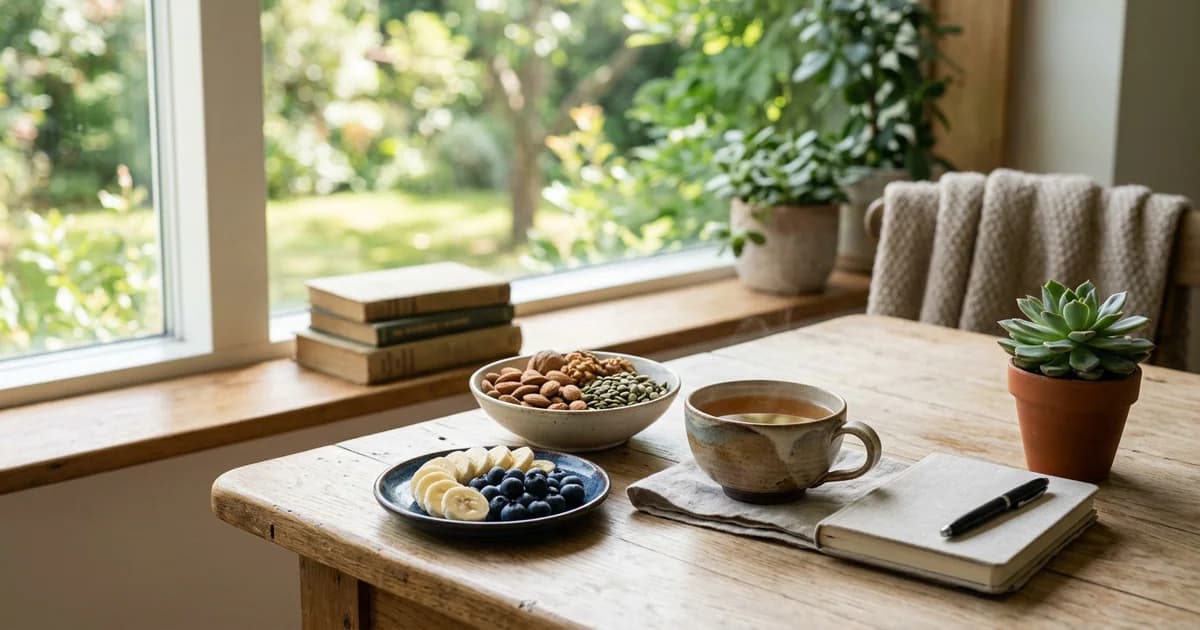
You can increase serotonin naturally through regular aerobic exercise, morning sunlight exposure, and eating tryptophan-rich foods like eggs, turkey, and nuts. Research shows that 30 minutes of moderate exercise five days a week or 30 minutes of morning light produces meaningful mood improvements. These changes show effects comparable to antidepressant medication for mild depression.
- Exercise 30 minutes, five days weekly
- Get 30 minutes morning outdoor light
- Eat tryptophan-rich foods like eggs and nuts
- Consistency produces cumulative mood improvements
- Light exposure activates serotonin production
You know that feeling when everything just seems a little brighter, you're calm, at ease, and somehow the small stuff doesn't get to you? That's serotonin doing its job. This tiny chemical messenger plays a huge role in regulating your mood, sleep, appetite, and that quiet sense of contentment that makes life feel worth living. When your levels are balanced, the world feels manageable. When they're low, even ordinary days can feel heavy and grey.
Related reading: How to Boost Mood Naturally: 10 Quick Strategies That Work
Related reading: How to Stop Overthinking: 12 Practical Strategies That Actually Work
Related reading: How to Reduce Stress Naturally: 10 Evidence-Based Strategies
The tricky part is that modern life isn't exactly designed to keep serotonin levels high. Spending most of your day indoors, eating highly processed foods, dealing with chronic stress, scrolling your phone at midnight, it all chips away at your brain's natural chemistry over time. But here's the good news: you have far more influence over your serotonin levels than most people realise. And no prescription is needed.
This article walks you through 8 science-backed ways to increase serotonin naturally. These aren't vague "be more positive" suggestions, they're strategies with real research behind them. Some you can start today, others take a bit of consistency, but all of them are genuinely doable. We've also rounded up the best books and supplements if you want to go deeper. Let's get into it.
Quick overview: best books and supplements for serotonin support

The Upward Spiral
A widely praised neuroscience-based guide to reversing depression and improving mood through small, actionable daily changes.
View price →
The Mood Cure
A longtime bestseller on using food and targeted amino acid supplements to rebalance brain chemistry and lift mood naturally.
View price →
NOW Supplements 5-HTP
A popular 5-HTP supplement from a trusted brand, providing a direct serotonin precursor in easy-to-take capsules.
View price →
Spark
A bestselling exploration of how exercise transforms the brain, boosting mood, focus, and overall mental health.
View price →
This Is Your Brain on Food
A psychiatrist-reviewed guide to how nutrition affects mental health, with practical advice for anxiety, depression, and cognitive clarity.
View price →What is serotonin and why does it matter?
Before jumping into the tips, it's worth understanding what serotonin actually does, because it's about a lot more than just "feeling happy." Serotonin is a neurotransmitter, meaning it's a chemical that carries signals between nerve cells in your brain and body. It's produced mainly in your gut (yes, your gut, about 90% of your serotonin lives there) and in your brainstem.
Healthy serotonin levels are linked to stable mood, better focus, restful sleep, healthy appetite regulation, and a general sense of calm and satisfaction. When levels drop, whether due to stress, poor diet, lack of sunlight, or other factors: you might notice persistent low mood, irritability, difficulty sleeping, increased cravings for carbohydrates, or a feeling of emotional flatness that's hard to shake.
The good news is that your brain is remarkably responsive to lifestyle changes. The following 8 strategies have genuine scientific evidence behind them, and together, they create the kind of environment where serotonin naturally thrives.
1. Move your body every day
Exercise is probably the most well-documented natural serotonin booster out there. Multiple studies have shown that aerobic exercise, things like walking, running, cycling, swimming, or dancing, increases both the production of serotonin and the activity of serotonin in the brain. One review published in the journal Neuroscience & Biobehavioral Reviews found that exercise consistently elevated mood and reduced anxiety, with effects comparable in some cases to antidepressant medication for mild to moderate depression.
The reason comes down to how your brain works during movement. When you exercise, your body increases the firing rate of serotonergic neurons, the brain cells responsible for producing serotonin. It also increases the availability of tryptophan (more on that in a moment), which is the amino acid your brain uses to actually make serotonin. So you're essentially giving your brain the raw materials it needs and then telling it to use them.
You don't need to run a marathon to benefit. Research suggests that even 30 minutes of moderate-intensity exercise, five days a week, is enough to make a meaningful difference. The most important thing is consistency, regular movement over time has a cumulative effect on your mood. If you're just getting started, a 20-minute brisk walk each morning is a genuinely great place to begin. Pick something you actually enjoy, because that's what you'll stick with.
Exercising outdoors combines two serotonin-boosting strategies at once: physical movement and natural sunlight exposure. Even a 20-minute walk outside on a sunny morning can shift your mood noticeably within days.
2. Get more sunlight
Light is one of the most powerful and underestimated mood regulators we have. Research shows that serotonin levels in the brain are directly correlated with the amount of bright light a person is exposed to, and this effect is independent of season. A landmark study published in The Lancet found that the rate of serotonin turnover in the brain was highest on bright days regardless of the time of year, and that serotonin levels dropped significantly on cloudy or dark days.
This is partly why so many people experience a dip in mood during winter, not just because of cold temperatures, but because of reduced light exposure. Your brain has specific serotonin-producing mechanisms that are activated by light hitting your eyes (specifically the retina), which is why outdoor light is significantly more effective than indoor lighting, even on overcast days.
The recommendation is to get at least 30 minutes of outdoor light exposure in the morning, ideally within an hour of waking up. This also helps regulate your circadian rhythm and improves sleep quality, another serotonin-positive effect. If you live somewhere with very limited daylight hours during winter, a light therapy lamp (10,000 lux) used in the morning for 20–30 minutes can be a highly effective substitute. It's one of the most evidence-backed interventions for seasonal low mood.
3. Eat foods that support serotonin production
Serotonin can't cross the blood-brain barrier, which means your brain has to make it locally, and it does this using a building block called tryptophan, an essential amino acid you can only get from food. Eating tryptophan-rich foods is one of the most direct dietary ways to support your brain's serotonin production.
Good sources of tryptophan include: eggs, turkey, salmon, tuna, cheese, tofu, nuts and seeds (especially pumpkin seeds and walnuts), oats, and dark chocolate. Combining tryptophan-rich foods with complex carbohydrates is actually more effective than eating protein alone, carbs trigger insulin, which clears competing amino acids from the bloodstream and allows more tryptophan to reach the brain.
Fermented foods like yogurt, kefir, kimchi, and sauerkraut are also worth including regularly, since the gut microbiome plays a significant role in serotonin production. A healthy, diverse gut flora supports the enteric nervous system, which is responsible for producing the majority of your body's serotonin. Eating a diet rich in fibre, whole foods, and fermented products creates the right gut environment for this process to work well.
The Mood Cure
Written by nutritional therapist Julia Ross, this longtime bestseller makes a compelling case for how the food you eat directly shapes your emotional state. It's full of practical guidance on using amino acids and diet to rebalance your brain chemistry naturally.
View on Amazon →- Practical and easy to implement dietary advice
- Evidence-based approach to mood and brain chemistry
- Covers amino acids, supplements, and whole foods in one guide
- Some supplement recommendations may require a practitioner's guidance
- Focuses primarily on the nutritional angle, not a holistic lifestyle guide
4. Practice mindfulness and meditation
Mindfulness meditation doesn't just help you feel calmer in the moment, it appears to have a measurable impact on brain chemistry over time. Research from Harvard and other institutions has found that regular meditation practice increases serotonin levels and also boosts the density of serotonin receptors in key brain regions. In one study, meditators showed significantly higher levels of serotonin metabolites compared to non-meditators, suggesting ongoing differences in serotonergic activity.
The likely mechanism is that meditation reduces the output of cortisol (the primary stress hormone), and chronic high cortisol actively depletes serotonin. By learning to regulate your stress response, you're essentially protecting your brain's serotonin supply. Over time, regular meditators show structural changes in the prefrontal cortex, the area involved in emotional regulation, decision-making, and positive mood.
You don't need to meditate for hours to see results. Studies suggest that 10–20 minutes per day of mindful breathing or body scan practice is enough to produce measurable changes in mood and stress biomarkers within 8 weeks. If you're new to meditation, start with guided sessions using an app or book. The best meditation books for every level is a good place to find recommendations that suit where you're at. Even just a few minutes of slow, conscious breathing before you start your day can shift your baseline mood over time.
For a wider look at how brain chemistry and lifestyle intersect, the dopamine detox guide is worth reading alongside this article, understanding both serotonin and dopamine gives you a much clearer picture of what's driving your mood.
5. Cultivate a gratitude practice
Gratitude might sound like soft self-help advice, but the neuroscience behind it is surprisingly solid. Studies using neuroimaging have shown that consciously recalling positive experiences and expressing gratitude activates the brain's reward system and increases activity in areas rich in serotonin receptors. Regular gratitude practice has also been shown to reduce levels of inflammatory markers and stress hormones, both of which are associated with depleted serotonin.
A 2003 study by Emmons and McCullough found that people who kept weekly gratitude journals reported higher levels of positive affect, more optimism about the upcoming week, and fewer physical complaints compared to those who recorded hassles or neutral events. The practice literally rewires how your brain scans its environment, instead of automatically noticing threats and problems, a gratitude habit trains your attention toward positive experiences, which in turn reinforces serotonergic pathways.
The most effective approach seems to be writing down three to five specific things you're grateful for, three to four times per week (not necessarily every single day). Be as specific as possible, "I'm grateful my friend texted to check on me this afternoon" is more effective than "I'm grateful for my friends." Specificity activates deeper emotional processing, which is what drives the neurochemical change.
Pair your gratitude practice with a morning coffee or tea ritual. Making it part of an existing habit dramatically increases the chances you'll actually do it consistently. A dedicated journal makes the practice feel more intentional, check out our guide to the best planners and journals for personal growth for some excellent options.
6. Protect your sleep
Sleep and serotonin have a deeply interconnected relationship. Serotonin is the precursor to melatonin, the hormone that regulates your sleep-wake cycle. When serotonin levels are healthy, your brain has the raw material it needs to produce adequate melatonin at night. When serotonin is depleted, sleep quality often suffers, and poor sleep then further depletes serotonin in a frustrating cycle.
Research has consistently shown that even one or two nights of disrupted sleep can reduce serotonin receptor sensitivity, making it harder for existing serotonin to have its mood-regulating effect. Chronic sleep deprivation is strongly associated with increased anxiety, low mood, impulsivity, and reduced emotional resilience, all of which are linked to serotonergic dysfunction.
Practical steps that support the serotonin-sleep cycle include: maintaining a consistent wake time (even on weekends), reducing blue light exposure in the hour before bed, keeping your bedroom cool and dark, and avoiding caffeine after midday. Going to bed and waking at the same time each day is probably the single most impactful thing you can do for sleep quality, it stabilises your circadian rhythm, which regulates the entire serotonin-melatonin production chain.
7. Try a brief cold shower
This one surprises a lot of people, but the evidence is genuinely interesting. Cold water immersion, particularly cold showers, has been shown to increase circulating levels of norepinephrine and serotonin. A study by Nikolai Shevchuk, published in Medical Hypotheses, proposed that short cold showers (around 20°C, for 2–3 minutes) stimulate the blue spot of the brain (the locus coeruleus), which then increases the production and firing rate of serotonin neurons.
The cold shock also activates the sympathetic nervous system in a controlled, brief way, which, unlike chronic stress, actually results in a positive adaptation over time. Regular cold exposure appears to improve mood stability, reduce fatigue, and support the kind of physiological resilience that keeps your neurotransmitter systems healthy. Many people report a noticeable mood lift and mental clarity immediately after a cold shower that lasts for several hours.
You don't need to go full ice bath. Starting with 30 seconds of cold water at the end of your regular shower is enough to begin experiencing the effect. Gradually build up to 2–3 minutes over a few weeks. It's uncomfortable at first: that's kind of the point, but most people find they start to genuinely look forward to it. For a deep dive into the science, read our guide on the benefits of cold showers for mood and energy.
8. Consider natural supplements
While lifestyle changes should always come first, certain natural supplements have solid research behind them when it comes to supporting serotonin levels, particularly if you're dealing with nutritional deficiencies or chronic stress. Here are the ones most worth knowing about:
5-HTP (5-Hydroxytryptophan) is the direct precursor to serotonin and crosses the blood-brain barrier easily. Multiple clinical studies have found it effective for improving mood, reducing anxiety, and supporting sleep. It's derived from the seeds of an African plant called Griffonia simplicifolia and is one of the most researched natural supplements for serotonin support.
Vitamin D plays a significant role in serotonin synthesis. Research has found that vitamin D activates the gene that encodes tryptophan hydroxylase (the enzyme that converts tryptophan to serotonin), meaning adequate vitamin D levels are necessary for efficient serotonin production. Deficiency is extremely common during the darker months, particularly in less sunny regions, and is associated with seasonal mood changes, fatigue, and low motivation.
Omega-3 fatty acids (especially EPA) are linked to improved serotonin receptor sensitivity. They don't increase serotonin directly, but they appear to make your existing serotonin work more effectively by influencing how receptors respond. A diet rich in fatty fish or a quality fish oil supplement can make a meaningful difference over time.
NOW Supplements Vitamin D-3
NOW Supplements Vitamin D-3 is a widely trusted option that delivers a research-backed dose of the sunshine vitamin linked to healthy serotonin synthesis. A practical choice if you want targeted nutritional support alongside your lifestyle changes.
View on Amazon →- Provides a research-backed daily dose for mood support
- From a trusted, widely available supplement brand
- Very affordable per serving
- Softgel delivery may not suit all dietary preferences
- Supplements work best alongside lifestyle changes, not instead of them
Further reading: books worth having on your shelf
If you want to understand the science behind serotonin more deeply, or find evidence-based guidance on supplements and nutrition, these two books are particularly worth your time.
The Upward Spiral
Alex Korb's The Upward Spiral is a widely praised, reader-friendly guide to the neuroscience of depression. It explains how small positive changes create upward momentum in brain chemistry and provides concrete, research-backed strategies for lifting mood.
View on Amazon →- Written by a neuroscientist in accessible, plain language
- Covers multiple natural strategies comprehensively
- Focuses on actionable small steps rather than overwhelming overhauls
- Some readers may want more detail on supplementation
- Primarily focused on depression rather than general wellness
This Is Your Brain on Food
Uma Naidoo's This Is Your Brain on Food is a bestselling guide to how nutrition affects anxiety, depression, and cognitive health. It includes practical recipes and evidence-based recommendations for using diet to support mental well-being.
View on Amazon →- Highly accessible with a focus on real-world eating
- Includes recipes and concrete meal ideas
- Written by a Harvard-trained psychiatrist and nutrition specialist
- More clinical in tone, less of a lifestyle guide
- Focused specifically on nutrition rather than broader lifestyle changes
Also on Amazon: Browse serotonin and mood books on Amazon →
How to choose the right supplement for serotonin support
Navigating the supplement market can feel overwhelming, especially when you're not sure which ingredients actually work and which are mostly marketing. Here's what to look for when choosing a natural serotonin-supporting supplement:
Check the active ingredients. The most evidence-backed options include 5-HTP, L-tryptophan, vitamin D3, magnesium glycinate, and omega-3 EPA. A product that clearly lists these on the label, with dosages, is a better bet than a vague "mood blend" with proprietary formulas that hide the actual amounts.
Look for third-party testing. Quality supplements will often have certifications from independent testing labs. This matters because the supplement industry isn't as tightly regulated as pharmaceuticals, so quality can vary significantly between brands.
Start with one thing at a time. If you add five new supplements at once and feel better (or worse), you won't know what made the difference. Start with the most fundamental deficiency, for many people, that's vitamin D, and give it 4–6 weeks before adding anything else.
Consult a professional for 5-HTP. 5-HTP is effective but should be used carefully, particularly if you're taking any medication that affects serotonin (including some antidepressants). It's worth having a conversation with your doctor or a naturopath before starting it.
If you're only going to try one supplement for mood support, start with vitamin D3 (1000–2000 IU per day in winter). It's inexpensive, widely available, safe for most people, and deficiency is extremely common, especially if you live in a region with limited winter sunshine.
Frequently asked questions about serotonin
How long does it take to increase serotonin naturally?
It depends on the method. Exercise and sunlight can produce noticeable mood effects within a day or two, because they directly stimulate serotonin activity in the brain relatively quickly. Dietary changes and gut health improvements tend to take longer, typically 2–4 weeks of consistent effort before you notice a real difference. Meditation and gratitude practices generally start showing measurable mood benefits within 4–8 weeks of regular practice. The key word is consistent, these aren't one-off fixes but cumulative habits.
What are the signs of low serotonin?
Low serotonin doesn't have one single set of symptoms, but common signs include persistent low mood or mild depression, irritability or mood swings, difficulty sleeping, waking unrefreshed, increased cravings for carbohydrates or sugar, reduced pain tolerance, anxiety or a sense of unease, and low self-esteem. These symptoms can have many causes, so if they're severe or persistent, it's always worth speaking to a doctor, but mild versions often respond well to the lifestyle changes covered in this article.
Can you increase serotonin through food alone?
Food can meaningfully support serotonin production, but it's rarely sufficient on its own if levels are significantly depleted. Eating tryptophan-rich foods consistently helps provide the building blocks for serotonin synthesis, and a gut-healthy diet supports the enteric production of serotonin. But for most people, dietary changes work best when combined with other strategies, sunlight, exercise, and good sleep especially. Think of food as one important piece of a larger picture, not a standalone solution.
Is it possible to have too much serotonin?
Yes, a rare but serious condition called serotonin syndrome can occur when serotonin levels become dangerously elevated. In the context of natural lifestyle changes, this is not a realistic concern. Serotonin syndrome is almost exclusively caused by combining certain medications (particularly SSRIs, MAOIs, or other serotonergic drugs), not by diet or lifestyle habits. The risk does become relevant, however, if you're taking serotonergic medication and also using supplements like 5-HTP without medical guidance. Always flag any supplement use to your prescribing doctor.
Does social connection really affect serotonin?
It does, and more than most people realise. Research on social behaviour in both animals and humans has consistently linked positive social interactions to elevated serotonin activity. Conversely, social isolation and low social status have been associated with reduced serotonin function. Face-to-face connection, physical touch (like hugging), and feeling valued within a social group all appear to have direct effects on serotonergic signalling. Investing in your relationships isn't just emotionally important: it's genuinely good for your brain chemistry.
The most effective ways to increase serotonin naturally are the ones that work together: daily movement, morning sunlight, tryptophan-rich foods, quality sleep, and regular mindfulness practice create a strong foundation. Cold showers and targeted supplements like vitamin D and 5-HTP can give you an additional boost. For deeper reading, The Upward Spiral and The Mood Cure are both excellent starting points, widely praised, practical, and genuinely evidence-based.
Related Reads
- How to Reduce Anxiety Naturally: 8 Evidence-Based Strategies
- Best Light Therapy Lamps for Mood and Energy in 2026
- Best Weighted Blankets
- Best Essential Oils for Anxiety
Strategy Comparison at a Glance
| Strategy | Effectiveness | Time Needed | Difficulty |
|---|---|---|---|
| Daily exercise | Very High | 30 min/day | Easy |
| Morning sunlight | High | 20–30 min/day | Easy |
| Serotonin-supporting diet | Moderate | Ongoing | Easy |
| Quality sleep | Very High | 7–9 hrs/night | Medium |
| Mindfulness & meditation | High | 10–20 min/day | Medium |
Frequently Asked Questions
How long does it take to Increase Serotonin Naturally?
What are the most common mistakes when trying to Increase Serotonin Naturally?
Is there scientific evidence that Increase Serotonin Naturally works?
Can Increase Serotonin Naturally help with anxiety or depression?
How do I get started with Increase Serotonin Naturally today?
What if I don't see results immediately?
Read next: meditation books about calm and wellbeing.
Weekly happiness in your inbox
One practical idea every week. No spam and no miracle claims, just clear advice you can assess for yourself.
No spam. Unsubscribe anytime.
Marcel Kupures
Founder & Editor
Founder and editor of Get A Happy Life. Research references are linked where they are used, and product comparisons rely on public product information unless hands-on testing is explicitly documented.
Last updated: September 17, 2026
Want more happiness science?
Browse all our guides on mindfulness, gratitude, sleep, and well-being.
Read more guides