
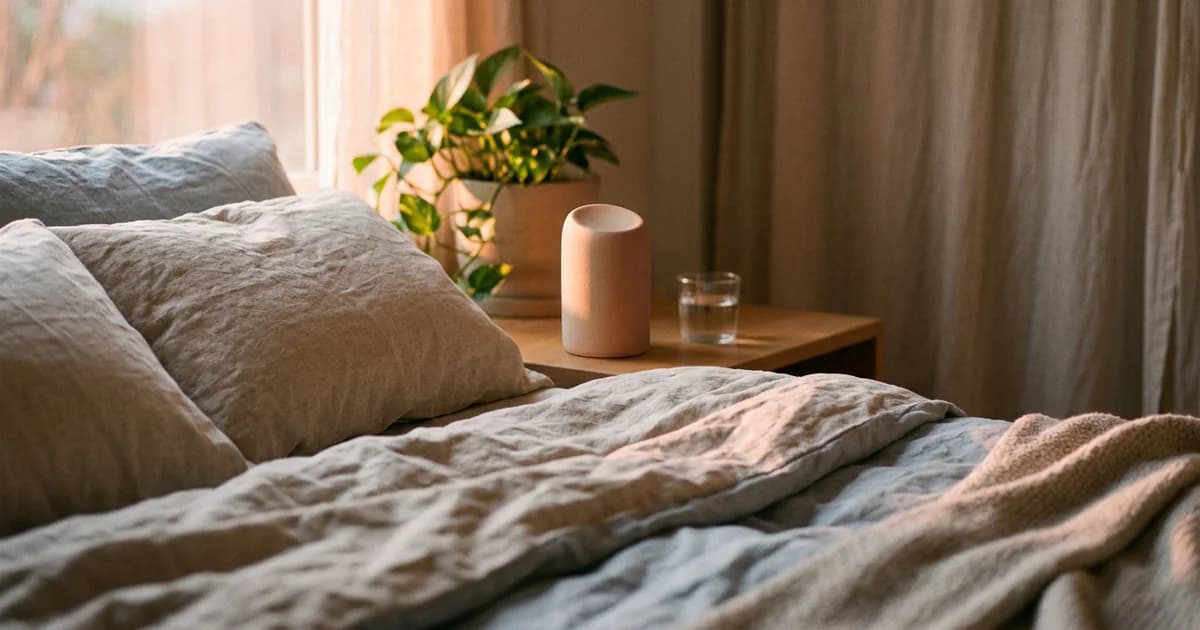
Yes, the Hatch Restore 2 is worth it if you prioritize sleep quality and are comfortable paying for content, thanks to its effective sunrise simulation and customizable routines. At around $200 with subscription-gated premium features, it suits users who value premium sleep tech and bedroom aesthetics, though budget-conscious shoppers may prefer simpler alternatives.
- Gradual sunrise simulation eases morning wake-up routine
- Premium sounds require monthly subscription membership
- Premium price plus ongoing subscription commitment needed
- No battery backup or USB charging port
Quick verdict: The Hatch Restore 2 is one of the best-looking sunrise alarms on the market, and its routine-based approach genuinely helps many users wind down and wake up more peacefully. That said, its subscription paywall and premium price mean it is best suited for people who prioritize sleep hygiene and are comfortable paying for ongoing content. If you want a simple alarm or a standalone white noise machine, there are more affordable options.
Specs, Pros, and Cons at a Glance
Before diving into the details, here is how the Hatch Restore 2 stacks up on paper and in everyday use.
| Feature | Details |
|---|---|
| Primary Functions | Sunrise alarm clock, sound machine, sleep routines |
| Lighting | Full-color sunrise simulation and wind-down lighting |
| Audio | Built-in speaker with white noise and nature sounds |
| Connectivity | Wi-Fi and Bluetooth via the Hatch Sleep app |
| Controls | Top-mounted tactile buttons; full customization through app |
| Power | AC adapter; no battery backup |
| Subscription | Hatch Sleep Membership unlocks full library; core features work without it |
| Typical Price | Around $200 |
Pros
- Elegant fabric design that blends into modern bedroom decor
- Gradual sunrise simulation can reduce morning grogginess
- Expansive audio library including white noise, nature sounds, and sleep stories with paid membership
- Tactile top buttons let you snooze or change volume without using your phone
- Customizable multi-step sleep and wake routines through the Hatch Sleep app
Cons
- Many premium sounds and guided content sit behind a recurring subscription
- No USB charging port or battery backup for power outages
- Some users report intermittent Wi-Fi connectivity issues
- Clock display brightness, even at the lowest setting, may still feel too intense in very dark rooms
- Higher upfront cost than basic alarm clocks and dedicated white noise machines
What Is the Hatch Restore 2?
The Hatch Restore 2 is an all-in-one sleep device designed to replace your traditional alarm clock with a more circadian-friendly experience. It combines a sunrise-simulating light, a full-featured sound machine, and a programmable routine hub that you control through the Hatch Sleep app. Rather than simply buzzing you awake, it uses gradual light and audio cues to shepherd you through a full sleep cycle, from wind-down to sunrise. Hatch positions it as a lifestyle tool for building better sleep hygiene by cueing your body to relax at night and wake up more naturally in the morning. It sits at the intersection of wellness tech and home decor, intended for users who want their bedroom to feel like a retreat instead of a command center.
Design and Build Quality
Where the original Restore had a smooth plastic shell, the Restore 2 wraps the hardware in a soft fabric exterior that looks more like a piece of neutral home decor than a piece of consumer electronics. Users consistently report that it blends nicely on a nightstand without the harsh tech aesthetic of traditional digital clocks. The material choice is not purely aesthetic; it softens the overall presence of the device in a room designed for rest. On top, tactile buttons provide physical control for snoozing, skipping routines, and adjusting volume, which many owners appreciate when they do not want to fumble for their phones in the dark. The button layout is minimal, which keeps the silhouette clean but can require a learning curve if you try to operate it half-asleep without the app.
One common complaint is the lack of a USB charging port. In an era where most bedside clocks include a phone charger, the Restore 2 offers none. It also relies entirely on an AC adapter with no internal battery backup, meaning a power outage will disable your alarm.
Sunrise Alarm and Sleep Routines
The standout feature is the sunrise simulation. Over a user-selected span of time, the lamp gradually brightens from a deep amber to a warm white, mimicking natural dawn. Users consistently report feeling less startled in the morning compared to standard audio alarms. If you are interested in the science of happier mornings, read our guide on how to wake up happy.
At night, the Restore 2 supports reverse routines. You can program the light to dim slowly while a sleep story or pink noise plays, signaling your brain that it is time to rest. While you can set basic routines for free, more advanced multi-step programming and a wider content library typically require the paid membership.
Sound Library and White Noise Performance
As a sound machine, the Restore 2 covers the essentials and then some. The hardware includes a built-in speaker capable of producing white noise, brown noise, pink noise, fan sounds, naturescapes, and melodic tones. Audio quality is generally described as clear and loud enough to mask moderate street noise, hallway sounds, or a partner's snoring. You can set a timer for audio to fade out after you fall asleep, or leave it running all night.
However, the depth of the library is gated by software. Without a subscription, you receive a limited but functional set of tracks that covers the basics. Unlocking the full catalog of sleep music, guided relaxations, breathwork exercises, and audiobook-style sleep stories requires an active Hatch Sleep Membership. If you primarily need white noise for acoustic masking and do not want another monthly subscription, compare dedicated options on our list of the best white noise machines for better sleep.
The App and Subscription Model
Setup happens through the Hatch Sleep app, available for iOS and Android. The app is required to configure your first alarms and routines, and it remains the central hub for customizing colors, sounds, and brightness levels. Users generally find the interface intuitive, though some report occasional connectivity hiccups where the device disconnects from Wi-Fi and needs to be re-paired.
The subscription controversy is real. Hatch markets the Restore 2 as a premium sleep solution, but a significant portion of its content and customization lives behind a recurring paywall. A common complaint is that buyers assumed the upfront price covered the full experience, only to discover that the most attractive sounds and guided programs cost extra. Membership typically runs around $5 per month, which adds up over the life of the device.
What Users Are Saying
Feedback across retail platforms, forums, and social media shows a clear split in sentiment. Owners who embrace the routine-based approach often say the device has improved their sleep consistency and made mornings feel less chaotic. They praise the gentle light progression and the convenience of having a combined alarm and sound machine in one minimalist package, noting that the physical buttons are a welcome alternative to touchscreen-dependent gadgets.
On the other side, a common complaint is subscription fatigue. Users who bought the Restore 2 specifically to reduce screen time at night sometimes feel frustrated that the product still pushes them toward app-based controls and premium paid content. Others note that even the dimmest clock setting can cast unwanted light in a pitch-black room, which can be distracting for people who require total darkness to sleep. A smaller subset of buyers report that the fabric exterior attracts dust and pet hair over time, requiring occasional lint-rolling to keep it looking fresh. Reliability is generally solid, though some users mention needing to reboot the device or re-establish Wi-Fi connections after router changes.
How It Compares to Competitors
The sunrise alarm market has grown crowded. The Hatch Restore 2 competes directly with devices like the Philips SmartSleep and various budget Amazon alternatives. Where Hatch wins is ecosystem and aesthetics. The fabric design and routine sequencing feel more intentional than many competitors, and the sound machine integration means you do not need a second device.
Where it loses is value. Competitors like the Philips SmartSleep offer a comparable sunrise experience at a lower price and without pushing a content subscription. For a direct feature breakdown, see our comparison of the Hatch Restore 2 vs Philips SmartSleep. Meanwhile, shoppers who only want white noise can find capable machines for a fraction of the cost.
It is also worth noting that Hatch has since released newer hardware. The Hatch Restore 3 offers updated internals and a slightly different design, though the core experience and subscription model remain similar.
Who Should Buy the Hatch Restore 2?
This device is best for people who view sleep as a wellness ritual and want a single bedside hub to manage it. If you struggle with sleep inertia, enjoy guided wind-downs, and do not mind paying a subscription for premium audio, the Restore 2 delivers a polished experience. It is also a strong fit for design-conscious buyers who want their tech to look like decor. If that sounds like you, you can find the latest pricing for the Hatch Restore 2 online.
Who Should Skip It?
Budget buyers should look elsewhere. Between the roughly $200 hardware cost and the optional but tempting membership, the total cost of ownership is high. If you need a battery backup, a USB phone charger, or a completely offline device, the Restore 2 will disappoint. Likewise, if you already own a smart speaker and a simple sunrise bulb, you can replicate much of the functionality for less money.
Final Verdict
The Hatch Restore 2 is a thoughtfully designed sleep device that succeeds at its core mission: making mornings less jarring and bedtimes more relaxing. Its sunrise simulation, capable sound machine, and routine-based app create a cohesive ecosystem that many users genuinely love and use every day. The hardware feels premium, and the wind-down workflows can help establish a more mindful relationship with sleep. However, the subscription strategy and lack of hardware extras like battery backup or USB charging prevent it from being a universal recommendation. You are not just buying a clock; you are buying into an ecosystem that continually asks for more money to unlock its best features. Buy it if the design, routine sequencing, and gentle wake-ups justify the premium price and optional membership for you. Skip it if you want a simple, all-inclusive alarm clock that works perfectly offline without ongoing fees.
Frequently Asked Questions
Is Hatch Restore 2 still worth buying?
It remains a worthwhile purchase if you prioritize routine-based sleep hygiene and appreciate the fabric design. That said, newer models and competing sunrise alarms may offer better hardware value, especially if you want to avoid ongoing subscription costs.
What is the Hatch alarm clock controversy?
The controversy centers on the Hatch Sleep Membership. Many buyers purchased the device believing they would receive full access to sounds and guided content, only to find that a large portion of the library is locked behind a recurring monthly or annual fee after the initial hardware purchase.
Can you use the Hatch Restore 2 without a subscription?
Yes. Core functions such as basic sunrise alarms, a selection of white noise tracks, and manual button controls remain accessible without paying. The subscription primarily unlocks the full audio library, sleep stories, and expanded routine customization.
Why are people getting rid of their Hatch sound machine?
Common reasons include frustration with the subscription model, the lack of hardware features like battery backup or USB charging, app dependency for customization, and complaints that the clock brightness is still too high even on the lowest setting.
How does a sunrise alarm clock improve your morning mood?
Sunrise alarms use gradually increasing light to support your natural circadian rhythm and reduce the shock of a traditional audio alarm. Users consistently report feeling less groggy, and research suggests this gentle transition can improve alertness and morning mood. For practical strategies, read our tips on how to wake up happy.
Weekly happiness in your inbox
One practical idea every week. No spam and no miracle claims — just clear advice you can assess for yourself.
No spam. Unsubscribe anytime.
Marcel Kupures
Founder & Editor
Founder and editor of Get A Happy Life. Research references are linked where they are used, and product comparisons rely on public product information unless hands-on testing is explicitly documented.
Last updated: June 25, 2026
Want more happiness science?
Browse all our guides on mindfulness, gratitude, sleep, and well-being.
Read more guides