

Waking up happy isn't reserved for morning people — it's something you can train through small, intentional habits in your first 30-60 minutes. These include using a wake-up light, drinking water, avoiding your phone, practicing gratitude, moving your body, and setting a daily intention. Research shows how you start your morning influences your mood, energy, and decision-making for hours afterward.
- Use a wake-up light instead of a jarring alarm
- Drink water before reaching for coffee
- Avoid your phone for the first 30 minutes
- Practice gratitude with a simple three-item journal
- Move your body gently for five to ten minutes
You know that feeling when the alarm goes off and your first thought is "no, please, five more minutes"? Yeah. Most of us have been there — a lot. Waking up in the morning can feel like a battle, and when you start your day already exhausted and grumpy, it tends to set the tone for everything that follows.
Related reading: How to Boost Mood Naturally: 10 Quick Strategies That Work
Related reading: How to Improve Focus and Concentration: 9 Proven Strategies
The good news? Waking up happy isn't reserved for morning people who were born cheerful. It's something you can actually train. Small, intentional habits in the first 30–60 minutes of your day can genuinely shift how you feel — not just in the morning, but throughout the entire day. Research in positive psychology consistently shows that how you start your morning influences your mood, energy, and even your decision-making for hours afterward.
In this article, we're walking through 7 things you can do every morning to wake up feeling genuinely good. Some of them take 2 minutes. Others might become your new favourite part of the day. Plus, we've rounded up some helpful tools — from wake-up lights to morning routine books — that make the whole thing a lot easier to stick with. Here's everything you need to know.
Quick overview: the best morning routine tools at a glance
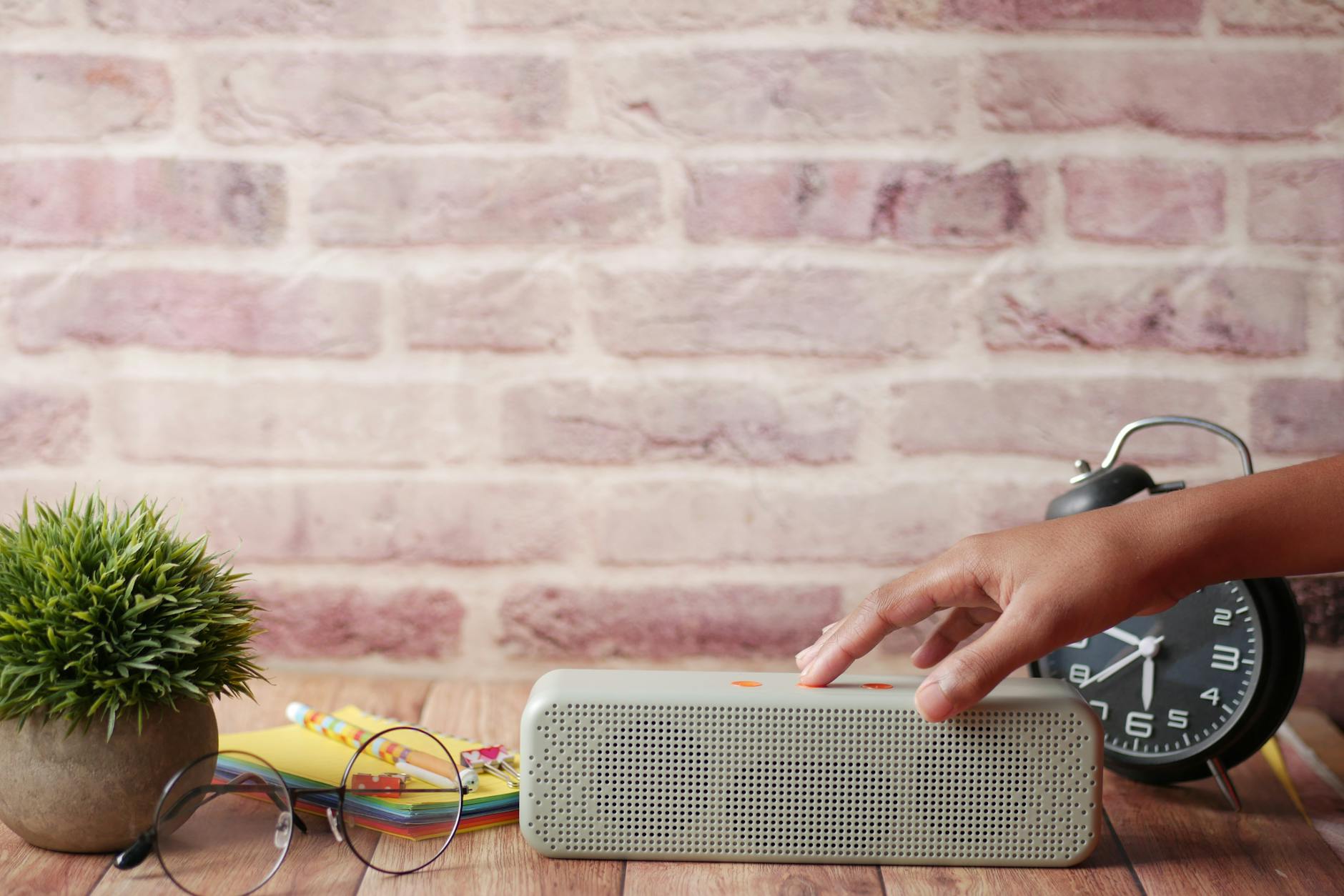
Philips SmartSleep Wake-Up Light HF3520/60
Widely praised sunrise alarm with colored dawn simulation, 20 brightness levels, and an FM radio for a gentle, natural wake-up.
View price →
Hatch Restore 2 Sunrise Alarm Clock
Premium app-connected sleep and wake device with sunrise alarm, white noise, and guided wind-down routines for deeper rest.
View price →
JALL Wake Up Light Sunrise Alarm Clock
Simple, budget-friendly sunrise alarm with FM radio and natural sounds — an easy way to wake up more naturally.
View price →
The Miracle Morning by Hal Elrod
A longtime bestseller that teaches a simple, actionable morning ritual designed to boost productivity and mindset before 8 AM.
View price →
Atomic Habits by James Clear
Widely praised guide to building small, sustainable habits — ideal for crafting a morning routine that actually lasts.
View price →
The 5 AM Club by Robin Sharma
Globally popular book on waking early, building self-discipline, and using the first hour of the day to elevate your life.
View price →
Wherever You Go, There You Are by Jon Kabat-Zinn
A classic mindfulness meditation guide widely used as a calming morning companion to start the day with presence and clarity.
View price →
The Artist's Way by Julia Cameron
A beloved classic on morning pages and creative recovery — perfect for anyone seeking a reflective, inspiring start to the day.
View price →The 7 things to do every morning to wake up happy
Before we dive into the product deep-dives, let's talk about the actual habits. These are seven simple shifts that — when practiced consistently — genuinely change how you feel when you open your eyes in the morning.
1. Wake up with light, not a jarring alarm
The single biggest game-changer for most people is ditching the harsh alarm and switching to a wake-up light. Your body's internal clock — the circadian rhythm — is regulated by light. When you wake up to a sudden blaring sound in complete darkness, your nervous system goes into a mild stress response. Cortisol spikes, your heart races, and you spend the first ten minutes of your day recovering from the shock of being jerked awake.
Wake-up lights solve this by slowly brightening your room over 20–30 minutes before your alarm time, mimicking a natural sunrise. Your body gradually transitions from deep sleep to lighter sleep, so by the time the alarm gently sounds, you're already close to awake — and you feel it. Studies have shown that light-based wake-up methods reduce sleep inertia (that groggy, foggy feeling) and improve mood immediately upon waking.
If you've never tried a wake-up light and you struggle with mornings, this is probably the first thing you should invest in. It's not a magic fix, but it's close.
2. Drink a big glass of water before anything else
Your body loses water overnight — even during a completely still night of sleep, you lose moisture through breathing. By the time you wake up, you're mildly dehydrated, and dehydration is one of the most underrated causes of morning fatigue, brain fog, and low mood.
Before you reach for coffee, drink a full glass of water. Some people swear by warm water with a squeeze of lemon. Others just go for a big cold glass straight from the tap. The format matters far less than the habit itself. Make it easy — keep a glass or bottle on your nightstand so it's the first thing you reach for.
3. Leave your phone alone for the first 30 minutes
This one is harder than it sounds, but the research behind it is solid. Checking your phone first thing in the morning immediately pulls your attention out of your own headspace and into other people's agendas — news, emails, social media, notifications. Before you've even had a chance to figure out how you feel, you're already reacting to the outside world.
Try keeping your phone in another room or at least face-down and silent for the first 30 minutes of your day. Use that time for anything on this list instead. Most people who try this report feeling calmer, less anxious, and more in control of their morning — and they're often surprised by how quickly it becomes second nature.
4. Write down three things you're grateful for
Gratitude practice has one of the strongest evidence bases in positive psychology. Even a simple two-minute gratitude journal — just three things you appreciate about your life right now — has been shown to measurably shift your baseline mood over time. It quite literally trains your brain to scan for positive information rather than defaulting to threats and problems.
You don't need a fancy journal. A plain notebook works fine. The habit is what matters, not the medium. Morning gratitude practice is also one of the most effective natural ways to boost serotonin — the neurotransmitter most closely associated with feeling calm, content, and happy.
5. Move your body — even just 5 minutes
You don't need to do a full workout at 6am to get the mood-boosting benefits of morning movement. Even five to ten minutes of gentle stretching, a short walk outside, or a few yoga poses gets blood flowing, wakes up your muscles, and releases endorphins. Walking in particular is underrated as a mood tool — even a short walk in natural daylight in the morning helps reset your circadian rhythm and elevates your mood.
The key is making it feel good, not punishing. Don't force yourself into a hard workout if you hate it in the morning. Find something that makes your body feel alive rather than exhausted.
6. Set a simple intention for the day
Before you launch into your to-do list, take 60 seconds to ask yourself: what kind of day do I want to have? It sounds almost too simple, but setting a deliberate intention — whether that's "I want to stay patient today," "I'm going to focus on one thing at a time," or just "I'm going to enjoy the little moments" — gives your day a direction.
It shifts you from reactive mode (responding to whatever comes at you) to intentional mode (choosing how you show up). Over time, this small habit builds a real sense of agency and self-awareness — both of which are strongly linked to long-term happiness.
7. Give yourself something to look forward to
One of the most overlooked strategies for how to wake up happy is designing a morning you actually want to get out of bed for. That might be a great cup of coffee. It might be 20 minutes of reading a book you love. It might be a morning routine book that gives you structure and something new to learn each day.
When your morning contains something that feels like a treat — something you chose — you start waking up with a little pull of anticipation rather than dread. And that changes everything.
1. Philips SmartSleep Wake-Up Light HF3520/60 — the best all-round sunrise alarm
Philips SmartSleep Wake-Up Light HF3520/60
The Philips SmartSleep Wake-Up Light simulates a natural sunrise with colored dawn progression and offers 20 brightness settings, an FM radio, and a reading lamp to ease you into the day.
View price on Amazon →If you're serious about changing your mornings, the Philips SmartSleep Wake-Up Light HF3520/60 is where I'd tell most people to start. It's one of the most widely praised wake-up lights available, and the praise consistently comes back to the same things: it's actually gentle, it doesn't feel gimmicky, and it works.
The colored sunrise simulation gradually shifts from red to orange to yellow, mimicking a real dawn more closely than a simple white brightening. For light sleepers, a gradual dim increase works brilliantly. For deep sleepers who need more of a nudge, the light fills the room more assertively. Either way, you're waking to light rather than a shock.
The FM radio and natural wake-up sounds are a bonus that a lot of people overlook. Waking to a favorite radio station or gentle birdsong is a much more pleasant experience than even a nature sound from a phone speaker. The device also doubles as a bedside reading lamp with wind-down dimming, which is handy if you read before sleep.
At around $100, it sits in the mid-premium range, but the build quality and proven reliability make it a worthwhile investment. The interface is straightforward, and the tap-to-snooze feature is intuitive enough that you're not spending your first morning frantically reading an instruction manual.
- Widely praised and a longtime bestseller in sunrise alarms
- Colored sunrise simulation from red to yellow
- 20 brightness levels and FM radio
- Functions as a reading lamp and nightlight
- Premium price compared to basic models
- No app connectivity
2. Hatch Restore 2 — premium sleep and wake routines
Hatch Restore 2 Sunrise Alarm Clock
A premium, app-connected sunrise alarm that also offers guided wind-down routines, white noise, and a sleek, modern design.
View price on Amazon →The Hatch Restore 2 sits at a higher price point, and what you're paying for is a more feature-complete sleep and wake ecosystem. Rather than just an alarm clock, it functions as a full bedside sleep device designed to improve both how you fall asleep and how you wake up.
The standout feature is the combination of sunrise wake-up with guided wind-down routines. In the evening, you can run a meditation or breathing exercise with dimming light that helps you relax before bed. In the morning, the sunrise simulation gradually brightens while optional sleep sounds ease you into consciousness. It's a holistic approach to rest.
The design is minimal and modern, with a fabric exterior and small clock display that won't dominate your nightstand. The app control allows you to customize routines over time, tweaking your wind-down and wake-up sequences to match what actually works for your schedule.
At around $200 it's the priciest option in this list, but if you value a full sleep routine rather than just an alarm — and you want something that looks at home in a modern bedroom — the Hatch Restore 2 makes a strong case for itself. Users often mention that the wind-down feature alone changed their relationship with bedtime.
The sunrise brightness is effective for most sleepers, though very heavy sleepers may still want to pair it with a backup audio alarm.
- Full sleep and wake ecosystem with wind-down routines
- App-guided meditations, breathwork, and soundscapes
- Minimal, modern design
- Customizable sunrise and sleep sequences
- Priciest option at around $200
- Requires a smartphone for full customization
3. JALL Wake Up Light — simple sunrise simulation without the extras
JALL Wake Up Light Sunrise Alarm Clock
A straightforward sunrise alarm that offers FM radio, natural sounds, and an easy-to-use interface without app dependence.
View price on Amazon →Some people don't need app connectivity or guided meditations. They just want a reliable light that wakes them up gently and affordably. If that sounds like you, the JALL Wake Up Light is a solid, unfussy option that does the job without overcomplicating things.
The JALL sits at the budget-friendly end of the range at around $35 and focuses on the core function: sunrise simulation. The light gradually increases before your alarm time, and the interface is simple enough that you'll have it set up within minutes of opening the box. No app required, no Bluetooth pairing, no learning curve.
It includes an FM radio and a handful of natural sounds, giving you a few pleasant wake-up options. The design is compact and clean, and it won't dominate your nightstand. It's a good option for minimalists, guest rooms, or anyone who wants to try a wake-up light without a major investment.
One thing to note: the JALL is functional, but it doesn't have the colored sunrise simulation of the Philips or the app ecosystem of the Hatch. If you want fine control over your sunrise experience or sleep routines, you might find it limiting. But if you want something that just works every morning without fiddling around, the JALL delivers.
- Simple, intuitive setup
- Compact and clean design
- Sunrise simulation and FM radio at a budget price
- No app or Bluetooth needed
- Limited customization compared to premium models
- No wind-down or sleep routine features
4. The Miracle Morning — the bestselling morning ritual system
The Miracle Morning: The Not-So-Obvious Secret Guaranteed to Transform Your Life (Before 8AM)
Hal Elrod's longtime bestseller offering a simple, repeatable morning ritual designed to boost mindset, productivity, and energy before the day begins.
View price on Amazon →If you're tired of morning routine books that feel abstract or overly complicated, The Miracle Morning takes a refreshingly direct approach. It's about building a short, repeatable set of habits — what Elrod calls the Life S.A.V.E.R.S. — that together cover silence, affirmations, visualization, exercise, reading, and scribing.
The core premise is that how you start your morning directly influences the rest of your day. By stacking six simple practices into a single morning block — often just 6 minutes if you're pressed for time — you create a predictable boost in clarity and motivation before the day demands your attention.
At around $15 it's a very low-risk investment, and for anyone who's tried and failed with morning routines before, the structured format is genuinely helpful. You don't have to implement all six habits immediately; many readers start with one or two and expand from there.
This is a good match for people who want a clear, proven framework rather than vague inspiration. It's particularly effective if you feel like your mornings lack direction and you want something concrete to follow.
- Practical and structured with a clear daily framework
- Very affordable at around $15
- Time-efficient options for busy schedules
- Longtime bestseller with a large community of practitioners
- Some readers may find the tone highly motivational rather than scientific
- Requires self-initiative to adapt the system to your needs
5. Atomic Habits — the science-backed guide to building lasting morning routines
Atomic Habits by James Clear
A widely praised bestseller on how tiny changes in behavior compound into remarkable results — ideal for designing a morning routine that sticks.
View price on Amazon →One of the biggest reasons morning routines fail is that people try to copy someone else's schedule. They read about a CEO who wakes up at 4:30 AM and does an hour of meditation — and then feel like a failure when they can't maintain it for more than a week. The problem isn't discipline. The problem is that they're fighting against their own behavior patterns.
Atomic Habits takes a different approach by helping you build habits that are genuinely suited to your life. Clear's framework of habit stacking, environment design, and identity-based change gives you tools to make a morning routine feel automatic rather than forced.
The book covers the mechanics of habit formation, not just the theory. It's particularly useful for people who've tried multiple morning routines and given up, because it explains why previous attempts didn't stick — and shows you how to make the next one last.
At around $16 it's one of the highest-value reads in this list. If you pair the ideas in this book with a wake-up light, you've got both the physical tool and the behavioral framework to genuinely change your mornings.
- Focuses on sustainable systems rather than willpower
- Habit stacking and environment design are immediately actionable
- Excellent value at around $16
- Backed by behavioral science and real-world examples
- Not exclusively about mornings; you'll need to apply the principles yourself
- Some concepts may feel familiar if you've read other habit books
6. The 5 AM Club — a popular framework for early risers
The 5 AM Club: Own Your Morning. Elevate Your Life.
Robin Sharma's globally popular book on waking early, building self-discipline, and using a 20/20/20 formula to own your morning.
View price on Amazon →The 5 AM Club takes a wider lens than some of the other books here. Rather than focusing purely on habit mechanics, it tackles the mindset and identity of someone who rises early and uses the first hour intentionally. The book presents a 20/20/20 formula — 20 minutes of movement, 20 minutes of reflection, and 20 minutes of growth — as a template for the morning.
The self-discipline angle is particularly useful for people who know what they should do but consistently struggle to follow through. Sharma addresses the mental resistance that comes with waking up early and offers a narrative-driven argument for why the struggle is worth it.
There's also a strong focus on what it means to feel in control of your day. For a lot of people, the reason mornings feel bad is not that they're slow or unmotivated — it's that they feel reactive and behind before the day has even started. The 5 AM Club directly addresses that feeling and gives you a framework to flip it.
At around $15 this is a low-cost investment in a globally popular philosophy. If you're the kind of person who responds better to a big-picture vision than step-by-step instructions, this book might be your match.
- Addresses mindset and identity, not just tactics
- Provides a simple 20/20/20 morning structure
- Very affordable at around $15
- Good for people who feel chronically reactive and behind
- Story-heavy format may not appeal to all readers
- Less granular than purely instructional habit books
7. Wherever You Go, There You Are — mindfulness for a calmer morning
Wherever You Go, There You Are: Mindfulness Meditation in Everyday Life
Jon Kabat-Zinn's classic meditation guide, widely used as a calming morning companion to cultivate presence before the day begins.
View price on Amazon →For readers who want their morning rooted in stillness and awareness, Wherever You Go, There You Are offers something the productivity-focused books don't: a path to starting the day with genuine calm. Rather than jumping into a checklist, this book invites you to sit with your breath, notice your surroundings, and build a sense of inner stability before you engage with the world.
The concept is compelling from a wellbeing standpoint. Research consistently shows that people who begin their day with a sense of presence and self-connection report lower stress and higher baseline contentment. Whether you practice formal meditation or simply read a few pages with your coffee, the effect is grounding.
At around $14 it's an accessible entry point. The book includes short, digestible chapters that work well as a brief morning read — you don't need to finish it in a week. If you're a person who finds traditional morning routine advice too aggressive or task-oriented, this approach offers a softer, more sustainable foundation.
It's naturally a different kind of pick — it won't give you a timed schedule or productivity hacks — but for the right reader, it can feel genuinely transformative. Starting your day feeling calm and present is one of the most powerful setups for a happy day.
- Unique mindfulness-centered approach to mornings
- Short chapters ideal for brief morning reading
- Well-structured with practical meditation guidance
- Accessible price at around $14
- Not a step-by-step routine guide for productivity
- Readers wanting strict structure may need to pair it with another book
8. The Artist's Way — morning pages for a creative, intentional start
The Artist's Way by Julia Cameron
A beloved classic on morning pages and creative recovery — ideal for anyone seeking a reflective, expressive start to the day.
View price on Amazon →The Artist's Way is best known for introducing the practice of morning pages: three pages of longhand, stream-of-consciousness writing done first thing after waking. It's the most creative and introspective entry on this list, and it's particularly well-suited for people who want to process their thoughts and feelings before the day pulls them in a dozen directions.
What makes this interesting from a wellbeing perspective is that it treats the morning as a time for emotional housekeeping, not just task management. By dumping your anxieties, ideas, and mental clutter onto the page before you check email or make breakfast, you clear space for more focused, intentional living.
This book is a gentle, accessible entry point for anyone feeling creatively blocked, emotionally overwhelmed, or simply disconnected from themselves. At around $18 it's a modest investment in a practice that many people maintain for years. It won't give you a rigid schedule, but as a foundational morning ritual that fosters self-awareness, it has real value.
Think of it as a tool for internal clarity rather than external productivity. If it gets you starting your day with honesty and curiosity instead of reactivity, it's done its job.
- Introduces the widely practiced morning pages ritual
- Accessible, story-driven format — easy to read in sections
- Excellent for emotional processing and creative recovery
- Many readers maintain the practice for years
- Less focused on time management or habit mechanics
- Not suited for someone wanting a rigid, timed morning system
How to choose the right morning tools for you: a practical guide
With so many options here — from wake-up lights to morning books — it can feel unclear where to actually start. Here's a simple way to think about it.
If waking up feels physically hard — if you're genuinely groggy, slow, and foggy no matter what time you go to bed — a wake-up light is your best first move. The Philips SmartSleep HF3520/60 is the top pick for most people thanks to its colored sunrise simulation and reliable performance. The Hatch Restore 2 is worth the extra spend if you want a full sleep ecosystem with wind-down routines. The JALL Wake Up Light is the right call if you want something simple and budget-friendly.
If you wake up okay but hate what comes next — if getting out of bed isn't the problem but you feel anxious, unfocused, or unhappy the moment you do — then the issue is how you're spending your first 30 minutes. A morning routine book can help you redesign that window. Start with Atomic Habits if you want a science-backed approach to behavior change, or The Miracle Morning if you want a ready-made ritual framework.
If you want both — a gentle wake-up AND a purposeful morning — consider pairing a wake-up light with one of the books. Together, they cover the physical transition from sleep to wakefulness AND give you something intentional to do once you're up.
Don't try to change everything at once. Pick one habit from the list of 7 above and do it consistently for two weeks before adding another. Small, steady changes create lasting routines — overhauling everything overnight usually leads to burnout after three days.
Budget considerations: The books in this list are around $14 to $18 each — a genuinely low barrier to entry. The wake-up lights range from around $35 to around $200. If you're on a tight budget, start with a book and the free habits (gratitude journaling, phone-free mornings, drinking water) and add a wake-up light when you're ready.
Frequently asked questions about waking up happy
How long does it take to start waking up happy?
Most people notice a difference within one to two weeks of consistently applying even just two or three of the habits in this list. The physical changes — hydration, light exposure, movement — tend to have the fastest effect on morning mood. Mindset habits like gratitude and intention-setting build more gradually but tend to have a deeper, longer-lasting impact on how you feel.
Do wake-up lights actually work?
Yes — and there's solid science behind them. Light exposure suppresses melatonin (the sleep hormone) and triggers cortisol in a healthy, gradual way. A harsh alarm in the dark does the same thing, but abruptly, which creates a stress response. A sunrise simulation lamp mimics natural dawn, which is the environment our bodies evolved to wake up to. Most people who use them consistently report feeling noticeably less groggy and more naturally alert in the morning.
What if I'm just not a morning person?
Chronotype — your natural tendency to be an early riser or a night owl — is partly genetic, but it's also highly changeable through light exposure, consistent sleep times, and habits. If you've always identified as "not a morning person," it's worth asking whether that's truly your biology or simply a set of habits you've built up over years. Many self-proclaimed night owls have shifted their relationship with mornings significantly by making small, consistent changes — starting with light exposure and getting off their phone in the morning.
Is a morning routine really that important for happiness?
Research in positive psychology suggests yes — but with nuance. A morning routine isn't a cure for deeper unhappiness or mental health challenges. What it does is give you a reliable window of self-care and intention at the start of each day, which builds a sense of agency and self-respect over time. People who feel in control of their mornings tend to report higher overall life satisfaction. It's not everything, but it's a meaningful piece of the puzzle.
Can I combine multiple habits, or should I pick one?
You can absolutely combine habits — but start slowly. Introducing one or two new habits at a time is far more sustainable than trying to overhaul your entire morning overnight. Pick the habit that feels most manageable (maybe just drinking water before coffee, or leaving your phone on the other side of the room) and build from there once it feels automatic.
Waking up happy is genuinely something you can work toward — and the tools in this list make it easier. For most people, the fastest win is swapping a harsh alarm for a wake-up light (the Philips SmartSleep Wake-Up Light is the top-rated pick at around $100), combined with a few intentional morning habits like gratitude journaling, hydrating first thing, and keeping your phone out of reach for the first 30 minutes. If you want a framework to pull it all together, Atomic Habits (around $16) or The Miracle Morning (around $15) give you an actionable structure you can start using immediately. Small changes, done consistently, really do add up.
Related Reads
- How to Build Good Habits That Stick: A Step-by-Step Guide
- The Happiness Morning Routine: What Science Actually Recommends
- Best Planners for Productivity
- Best Gratitude Journals
Strategy Comparison at a Glance
| Strategy | Effectiveness | Time Needed | Difficulty |
|---|---|---|---|
| Strategy 1: Mindful Breathing | High | 5 min/day | Easy |
| Strategy 2: Progressive Muscle Relaxation | High | 10 min/day | Easy |
| Strategy 3: Cognitive Reframing | Very High | 15 min/day | Medium |
| Strategy 4: Physical Exercise | Very High | 30 min/day | Medium |
| Strategy 5: Social Connection | High | Varies | Easy |
Frequently Asked Questions
How can I wake up happier if I'm not a morning person?
What is the best time to wake up to start my day on a happy note?
How can I incorporate exercise into my morning routine to boost happiness?
What are some morning habits that can help with stress reduction?
Do I really need to change my entire routine, or can I just add a few things?
What if I struggle to wake up early? Any tips to make it easier?
How do I maintain these new morning habits over the long term?
Weekly happiness in your inbox
One practical idea every week. No spam and no miracle claims — just clear advice you can assess for yourself.
No spam. Unsubscribe anytime.
Marcel Kupures
Founder & Editor
Founder and editor of Get A Happy Life. Research references are linked where they are used, and product comparisons rely on public product information unless hands-on testing is explicitly documented.
Last updated: July 17, 2026
Want more happiness science?
Browse all our guides on mindfulness, gratitude, sleep, and well-being.
Read more guides