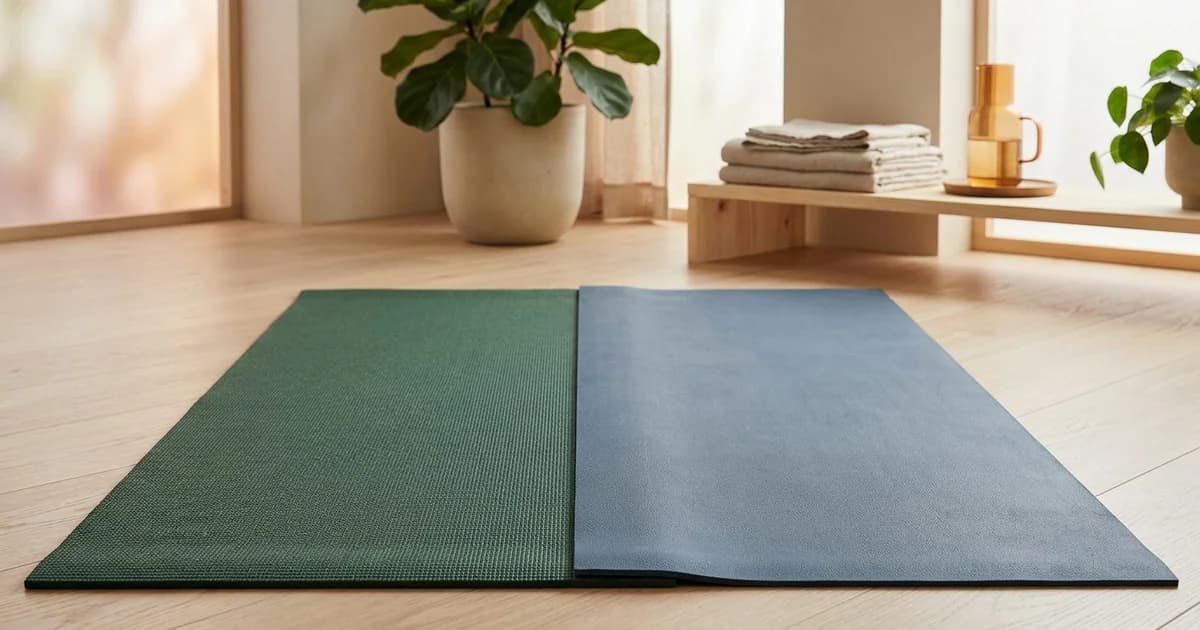
The best mat depends on your practice style: choose the Manduka PRO for long-term durability and firm joint protection across multiple yoga styles, or the Liforme Original for immediate grip, alignment guides, and hot yoga performance. Both are premium mats, but differ fundamentally in materials and performance.
- Manduka PRO: six millimeters thick, lifetime warranty, maximum durability
- Liforme Original: high-tack grip improves when damp, includes alignment markers
- Manduka cushions joints more; Liforme more responsive for standing flows
- Manduka grip needs break-in; Liforme ready immediately out of box
Quick Verdict
If you want a single mat that can last decades with dense, joint-protecting support, the Manduka PRO is the stronger long-term investment. If you prioritize immediate no-slip grip and built-in alignment guidance for dynamic flows, the Liforme Original is the clear standout. Both are premium mats, but your practice style, climate, and whether you sweat heavily will determine which one earns a permanent place beside your meditation cushion.
At a Glance: Manduka PRO vs Liforme Original
Choosing between these two industry leaders comes down to how you define comfort, longevity, and daily practice support. The Manduka PRO is the heavy-duty, lifetime-guaranteed workhorse favored by yoga teachers who want one stable surface for every style from restorative to power. The Liforme Original is the modern, grip-forward studio partner designed for alignment precision, sweaty vinyasa flows, and hot yoga sessions. Because both mats sit at the top of the premium price bracket, shoppers often assume they are interchangeable, yet their materials and performance profiles are fundamentally different. Before diving into nuanced feel and performance, this side-by-side overview highlights the practical differences that matter most when you are investing in a daily wellness ritual that supports your happiness and physical well-being.
| Feature | Manduka PRO | Liforme Original |
|---|---|---|
| Thickness | 6 mm | 4.2 mm |
| Material | Dense, closed-cell PVC (emissions-free manufacturing) | Natural rubber base with eco-polyurethane top surface |
| Weight | ~7.5 lb (standard 71") | ~5.5 lb |
| Grip Style | Smooth; improves with a break-in period | High-tack immediately; excels when sweaty |
| Alignment Guides | None | Patented "AlignForMe" markers |
| Warranty | Lifetime guarantee | Standard purchase protection |
| Price Range | around $130–$150 | around $160–$180 |
| Best For | Long-term daily practice, restorative styles, joint cushioning | Hot yoga, vinyasa flow, precise alignment focus |
Build & Materials
These two mats are built for entirely different sensory experiences, and understanding what sits beneath your palms and knees is the first step toward a happier, more consistent practice. Where one prioritizes impenetrable density, the other balances responsiveness with tactile feedback.
Manduka PRO Construction
The Manduka PRO is crafted from an ultra-dense, closed-cell PVC that is engineered to be emissions-free and is certified to Oeko-Tex standards. It is offered in a standard 71-inch length and an extra-long 85-inch option, with a solid, grounded feel that keeps the mat flat during aggressive transitions and inversions. Users consistently report that the material feels almost armor-like: it does not stretch, buckle, or absorb moisture, which makes it a favorite among yogis who want a completely stable platform for balance poses, lengthy seated meditation, and slow, controlled movements where a shifting surface would be distracting.
Liforme Original Construction
The Liforme Original Yoga Mat uses a natural rubber base layered with a proprietary eco-polyurethane surface that creates a slightly textured, high-tack finish. It measures roughly 72 inches by 26.8 inches and includes the brand’s patented AlignForMe system, a laser-etched grid that helps practitioners position hands and feet symmetrically without visual guesswork. At approximately 5.5 pounds, it is noticeably lighter than the Manduka PRO, though still substantial enough to stay planted on hardwood or studio flooring even when you are jumping from chaturanga to upward dog.
Comfort & Cushioning
Comfort is subjective, but thickness and density tell most of the story for your joints, spine, and overall practice satisfaction. The Manduka PRO’s 6-millimeter profile delivers firm, orthopedic-style cushioning that protects knees and wrists without letting your body sink into an unstable depression that could strain your balance. A common complaint, however, is that this same firmness can feel unforgiving on the sit bones during long holds, restorative postures, or extended meditation, especially for lighter-bodied practitioners who do not compress the dense foam as easily. If you spend a lot of time in seated forward folds or reclining poses, you may notice the mat’s resistance more than its support.
The Liforme Original’s 4.2-millimeter profile sits noticeably closer to the floor, creating a more connected feel with the ground beneath you. The natural rubber provides a responsive, slightly springy texture that many users prefer for standing balances and active flows where proprioception matters, but it offers less shock absorption for kneeling sequences, camel poses, and long planks. If you have sensitive joints, practice a lot of Yin yoga, or simply value that floating sensation under your knees and hips, the Manduka PRO’s extra padding is usually the safer and more comfortable choice for a sustainable, injury-free routine.
Grip Performance
Grip can make or break a practice, and this is where the two mats diverge most sharply in real-world use. The Manduka PRO arrives with a smooth, almost polished surface that many users find slippery during the first few weeks of ownership, particularly in downward dog and warrior sequences. A break-in period is widely expected, and some yogis accelerate this by wiping the surface with a diluted salt-water solution or simply practicing repeatedly until the factory film wears off. Once conditioned, the mat offers reliable traction for dry palms, though it never reaches the sticky, velcro-like grip that hot-yoga enthusiasts crave, and some practitioners resort to laying a towel over it during heated sessions.
By contrast, the Liforme Original is famous for immediate, high-tack grip straight out of the packaging with no conditioning required. Users consistently report that the surface actually improves when damp, making it a go-to choice for hot yoga, Bikram, and vigorous vinyasa classes where sweat is inevitable and safety depends on stable hand placement. A common complaint is that the stickiness can occasionally catch and slightly tug on bare feet during slow transitions, which some practitioners find distracting in gentler Hatha or restorative practices. If you sweat heavily, practice in a warm, humid room, or simply refuse to deal with a break-in period, the Liforme’s out-of-the-box traction is genuinely hard to beat.
Durability & Warranty
Longevity is a major factor in wellness purchasing decisions, both for your budget and for reducing environmental waste over a lifetime of practice. The Manduka PRO is backed by a lifetime guarantee against manufacturer defects, and users routinely describe owning the same mat for ten years or more without significant surface degradation, color fading, or structural collapse. The closed-cell PVC does not absorb sweat, bacteria, or body oils, and the surface resists flaking under normal home use, even when rolled and unrolled daily and stored in varying temperatures. For anyone building a long-term home studio, this resilience translates to fewer replacements and less decision fatigue.
The Liforme Original, while robust in its own right, is not marketed as a lifetime mat and does not carry the same open-ended warranty. The natural rubber base and polyurethane top layer will eventually show wear, especially if the mat is exposed to direct sunlight, oil-based cleaners, or constant heavy use in heated studios where sweat saturation is routine. Most users report a functional lifespan of one to five years depending on practice frequency, climate, and care habits, after which the surface may begin to peel or lose its signature tack. If you view your mat as a long-term wellness tool and want to avoid replacement cycles, the Manduka PRO’s legendary durability is a decisive advantage that often justifies the initial investment.
Eco-Friendliness & Care
Neither mat is perfect from a sustainability standpoint, but they take markedly different paths toward reducing harm and supporting a cleaner practice space. The Manduka PRO is PVC-based, which means it is not biodegradable at the end of its very long life; however, its extreme longevity means fewer mats end up in landfills over a decade of practice, and its manufacturing process is engineered to be emissions-free and Oeko-Tex certified. The Liforme Original is PVC-free and is marketed as biodegradable within one to five years under normal landfill conditions, which appeals strongly to shoppers who prioritize material composition, non-toxic ingredients, and a lighter environmental footprint over decades of continuous use.
Care routines differ slightly and can materially affect how long each mat lasts and how hygienic it remains. The Manduka PRO can be wiped with a damp cloth and a mild soap solution, then dried flat in a well-ventilated area away from harsh UV rays. The Liforme surface is more chemically sensitive; oil-based cleaners or essential-oil sprays can degrade the top layer and cause bubbling, discoloration, or peeling, so a gentle, water-based yoga mat spray is strongly recommended. Letting either mat dry completely before rolling it up will prevent odor, mildew, and premature surface breakdown, keeping your practice space fresh, inviting, and supportive of your overall mindfulness goals.
Portability & Practice Space
At roughly 7.5 pounds for the standard size, the Manduka PRO is effectively a stay-at-home mat for many users, especially those who walk or bike to class. Transporting it by foot to a studio can feel like a workout in itself, and it consumes noticeable space in a tote or gym bag alongside blocks and straps. The Liforme Original is lighter at about 5.5 pounds, making it the more commute-friendly option, though neither mat is as portable as a dedicated travel fold-up or 2-millimeter journey mat. If you are building a serene home practice sanctuary and want guidance on complementary gear, our roundup of the best yoga mats includes lighter options for every lifestyle and travel schedule.
Price & Long-Term Value
The Manduka PRO typically falls in the around $130–$150 range depending on color and length, while the Liforme Original generally commands around $160–$180 at full retail. On a strict cost-per-year basis, the Manduka PRO usually wins because of its multi-decade lifespan and unconditional guarantee, effectively dropping its annual cost to just a few dollars. The Liforme demands a higher upfront price and will likely need replacement within a few years of heavy studio use, which can make it feel like a recurring expense rather than a one-time purchase, even if you find it on seasonal sale.
That said, value is never purely financial in a wellness routine centered on happiness and consistency. If a slippery mat causes you to skip sessions, compromises your safety in a heated class, or creates low-level frustration that disrupts your savasana, the Liforme’s premium grip may easily justify its price and shorter functional life. Thinking through these trade-offs with honesty is a practical form of mindfulness meditation: you are choosing the tool that best supports your consistency, physical safety, and overall peace of mind, rather than simply buying the mat with the lowest price tag.
Which Mat Is Right for You?
If you are still on the fence after weighing materials, grip, and price, match your priorities to the mat’s core strengths.
- Choose the Manduka PRO if you want one mat for life, practice a blend of slow and active styles, need thick cushioning for sensitive joints, and do not mind a short break-in period that rewards you with a decade or more of use.
- Choose the Liforme Original if you attend hot yoga or power vinyasa classes, rely on visual alignment cues to prevent imbalance, demand instant grip without waiting for a break-in phase, and are comfortable budgeting for a replacement every few years.
Frequently Asked Questions
Is Liforme or Manduka better?
Neither is universally better; the right choice depends entirely on your practice environment, physical needs, and long-term expectations. Manduka is generally superior for longevity, lifetime warranty coverage, and thick joint cushioning that supports slower styles, while Liforme excels in sweat-activated grip, alignment precision, and a ready-to-use surface. Yogis who sweat heavily, teach in heated studios, or prioritize precise positioning often prefer Liforme, whereas those seeking a single buy-it-for-life mat that survives years of daily use usually lean toward Manduka.
Is Liforme the best yoga mat?
Many practitioners consider the Liforme Original among the best mats for grip and alignment, particularly in dynamic or heated classes where other surfaces become slick and unsafe. However, "best" is always subjective and depends on what you value most. If you require a lifetime guarantee, extra thickness for restorative work, or a lower total cost of ownership, another premium mat such as the Manduka PRO may ultimately serve your happiness and physical well-being more effectively over time.
What are the highest rated yoga mats?
In addition to the Manduka PRO and Liforme Original, widely praised premium options include the Jade Harmony, B Mat Everyday, Manduka PROlite, and Gaiam Performance Dry-Grip. Retailer ratings vary significantly by practice style, with some mats scoring higher for hot yoga and others favored for gentle, meditative movement or outdoor sessions. Reading reviews through the lens of your preferred yoga discipline will give you a clearer picture than relying on generic star ratings alone.
What yoga mat does Meghan Markle use?
Media outlets and wellness publications have widely reported that Meghan Markle uses a Liforme yoga mat, which helped elevate the brand’s global profile among English-speaking audiences interested in royal wellness routines. This visibility has made the Liforme Original one of the most recognizable luxury mats on the market, though its celebrity association does not change its core performance characteristics or guarantee that it is the right choice for every practitioner.
How long does a Manduka PRO last?
With basic cleaning and sensible storage out of direct sunlight, users consistently report that the Manduka PRO remains in excellent condition for well over a decade of regular use. Its lifetime guarantee against manufacturer defects further reinforces its reputation as a true buy-it-for-life wellness investment, provided you follow simple care instructions and avoid abrasive cleaning tools.
Weekly happiness in your inbox
One practical idea every week. No spam and no miracle claims, just clear advice you can assess for yourself.
No spam. Unsubscribe anytime.
Marcel Kupures
Founder & Editor
Founder and editor of Get A Happy Life. Research references are linked where they are used, and product comparisons rely on public product information unless hands-on testing is explicitly documented.
Last updated: September 17, 2026
Want more happiness science?
Browse all our guides on mindfulness, gratitude, sleep, and well-being.
Read more guides